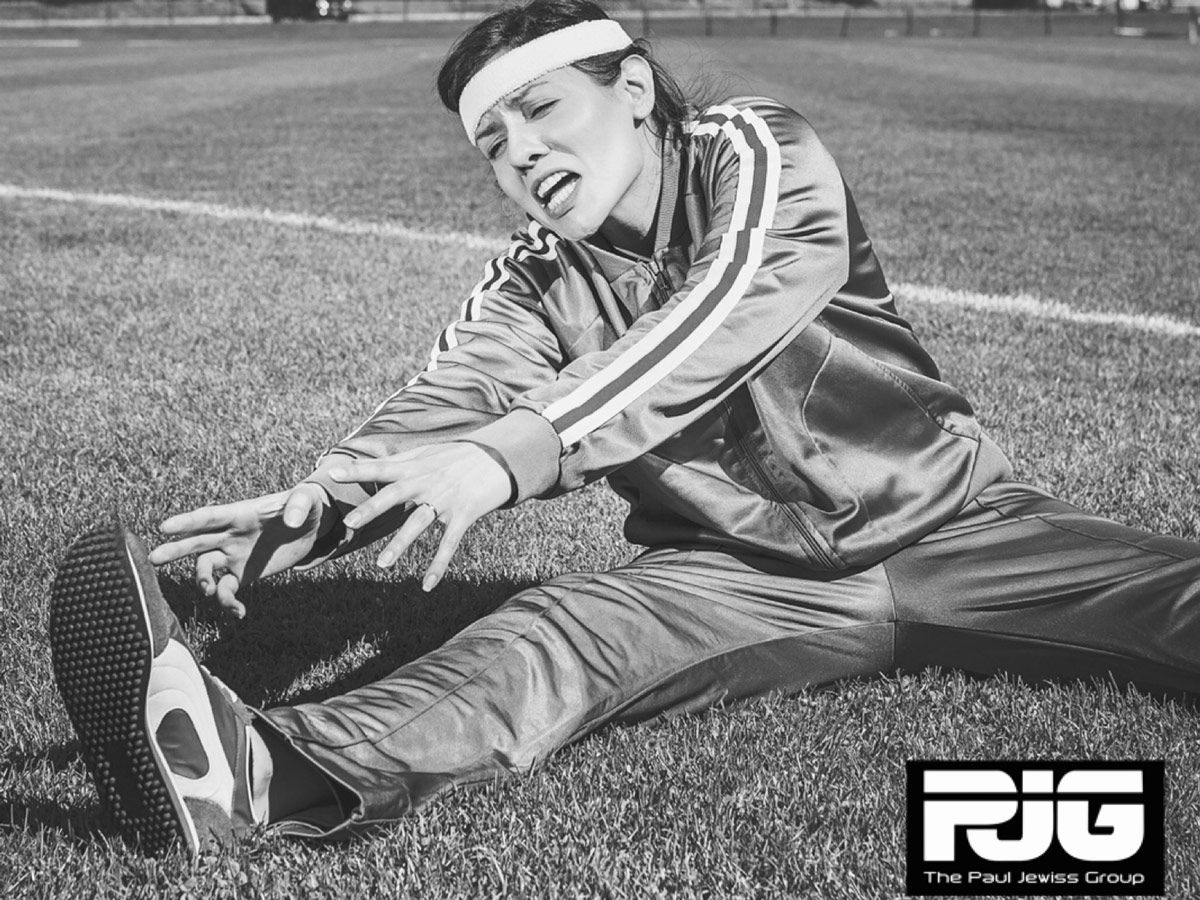
How long should your warm-up last? Depending on what you read or who you speak to, the answers can range from a few minutes to as long as you feel you need. My approach is to match the warm-up to the person and the training session ahead.
A warm-up gradually raises your heart rate and breathing, increasing blood flow to your muscles. It gives your body time to move from rest into exercise, rather than jumping straight into demanding activity.
With my clients, I usually allow 10–20 minutes. This includes general movement and preparation for the exercises we plan to do. The aim is to feel ready for the session, with plenty of energy left for the workout.
Build your warm-up gradually
Start slowly and increase the intensity as you become more comfortable. Your warm-up should prepare you for exercise without leaving you tired.
To keep things interesting, I often use more than one piece of equipment. Keep transitions reasonably short so you maintain a steady rhythm, but take the time you need to set up each machine properly.
A rowing machine, cross trainer or SkiErg can involve both the upper and lower body. A Wattbike, exercise bike or treadmill also provides a useful starting point, particularly for warming up the legs.
Choose equipment that suits your ability and the workout ahead. You don’t need to use every machine or follow the same routine each time.
You can also warm up without gym equipment. Marching on the spot, gentle knee lifts and shoulder rolls are simple ways to start moving.
Once you feel warmer, move towards the patterns you’ll use in your session. For strength training, this might mean practising an exercise with little or no resistance before adding weight. For running, it might mean progressing from walking to an easy jog.
Prepare the muscles you plan to use
I also consider mobility and stretching when planning a warm-up. If the session focuses on particular movements or muscle groups, I include exercises that help prepare those areas.
Dynamic movements take your joints and muscles through a comfortable range as you move. They offer a practical way to rehearse the activity ahead while gradually increasing intensity. If you include held stretches, warm your muscles first.
Keep each movement controlled. Avoid forcing a stretch or rushing through the routine simply to get it finished. Use this time to notice how your body feels and discuss any discomfort with your coach.
Some clients also like to use a massage gun as part of their preparation. I keep a Theragun available when appropriate. Pressure point balls or tennis balls offer other options for targeted self-massage, while bands can support mobility exercises.
These tools are optional additions. They should complement your warm-up, and persistent pain needs attention rather than an attempt to massage it away before training.
For me, a good warm-up creates a smooth progression into the session. Start gently, prepare for the movements ahead and give yourself time to feel ready. Those first few minutes deserve the same care as the rest of your workout.